CleanFlo cleanflo.io/templates/builders-clean-checklist
Builders Clean Checklist
Confirm which stage is being priced. Site induction and PPE apply to all stages.
Site
Plot / unit
Stage
Date
Site contact
Before entering site
A construction site is not a house. These are conditions of entry, not good practice.
- Site induction completed and recorded
- RAMS submitted to the principal contractor and accepted
- PPE confirmed: hard hat, hi-vis, safety boots, gloves, eye protection as required
- Dust masks appropriate to the work (FFP3 where silica dust is possible)
- Permit to work obtained where required
- Working at height arrangements agreed; no standing on unsecured surfaces
- Power and water availability confirmed, and whether 110V is required
- Waste disposal route agreed: which skip, and who owns it
- Welfare facilities located
- Emergency procedures and assembly point noted
First stage: rough clean
Usually during construction, once the trades are largely out of a zone.
- All construction debris, offcuts and packaging removed to the agreed skip
- Large debris swept and shovelled out
- Floors brush-swept throughout
- Stickers and labels removed from windows, sanitaryware and appliances
- Excess plaster, adhesive, grout and paint splashes scraped from hard surfaces
- Voids, cupboards and risers cleared
- Stairwells and circulation routes cleared for safe access
- Site rubbish separated for recycling per the site waste plan
Second stage: detail clean
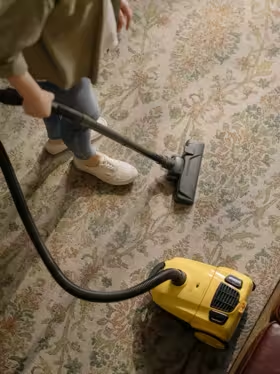
- All surfaces vacuumed with an M-class or H-class vacuum for fine dust
- Walls wiped down where the finish permits
- Ceilings and coving dusted
- Light fittings, switches and sockets cleaned
- Doors, frames, architraves and hinges cleaned, including tops of doors
- Skirting boards cleaned including behind radiators
- Radiators cleaned front, back and between
- Windows cleaned internally including frames, beading and runners
- Kitchen units cleaned inside and out; protective film removed
- Sanitaryware cleaned; protective film removed; sealant checked
- Fine dust removed from all horizontal surfaces, repeated as it resettles
- Floors vacuumed then washed with the correct product for the finish
Sparkle clean: handover standard
The final clean before the client or buyer sees it. Nothing is allowed to be dusty.
- Full re-dust of every surface, including tops of doors and units
- All glass polished streak-free, internally and externally where accessible
- Mirrors and splashbacks polished
- All chrome, taps and handles polished
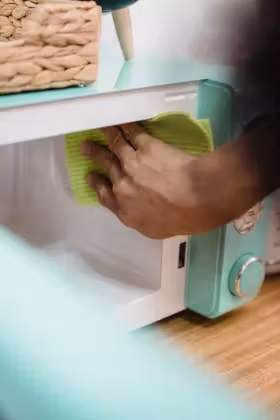
- Appliances cleaned inside and out; manuals and spare parts left as supplied
- Kitchen units, drawers and worktops cleaned and polished
- Sanitaryware polished; limescale-free; sealant clean
- Final vacuum of all soft flooring including edges
- Hard floors washed and buffed to the finish specified
- Final walk-through in the order a buyer would view the property
- Photographs taken of every room at handover standard
- Snagging list of anything not cleanable reported to site
Waste and site exit
- All cleaning waste removed from site or placed in the agreed skip
- Waste transfer documentation completed where you remove waste yourself
- Equipment cleaned before it leaves site to avoid cross-site dust transfer
- Any damage noticed reported in writing to the site manager
- Site log signed and permit closed
- PPE removed and disposed of or cleaned appropriately