CleanFlo cleanflo.io/templates/office-cleaning-checklist
Office Cleaning Specification
Frequencies are the contracted minimum. Initial and date each column as completed.
Site
Contract reference
Week commencing
Cleaner(s)
Supervisor
Daily: washrooms
The highest-complaint area in every office contract. Never reduce this frequency to win a price.
- Toilets and urinals cleaned and disinfected, including under the rim
- Basins, taps and surrounds cleaned and dried
- Mirrors polished
- Soap, toilet roll and hand towels restocked; dispensers wiped
- Sanitary bins checked and serviced per contract
- Bins emptied and relined
- Cubicle doors, locks, handles and partitions wiped
- Floors swept and mopped with a dedicated washroom mop
- Drains checked and flushed for odour
Daily: kitchens and breakout
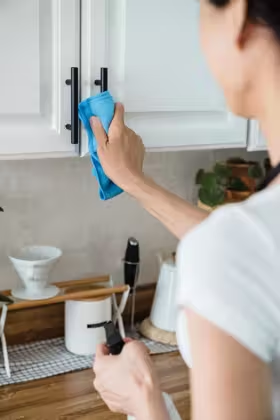
- Worktops, splashbacks and sink cleaned and disinfected
- Sink, taps and drainer descaled as needed
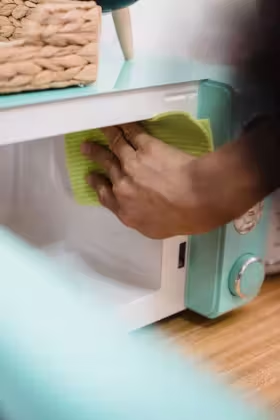
- Microwave interior wiped
- Fridge exterior and handles wiped
- Dishwasher emptied or loaded per site arrangement
- Tables and chairs wiped
- Bins and recycling emptied and relined
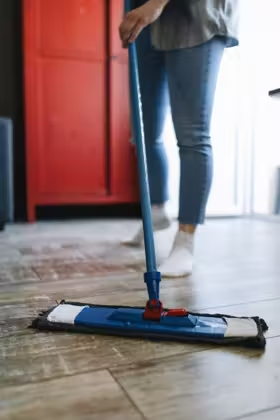
- Floors swept and mopped
Daily: office areas and circulation
- Waste and recycling bins emptied at every desk or bin point
- Desks wiped where clear; clear-desk policy respected on occupied desks
- Telephones, and shared keyboards and mice where in scope, sanitised
- Reception desk and visitor seating cleaned
- Entrance glass and door handles cleaned at eye level
- Entrance matting vacuumed
- High-touch points sanitised: door handles, push plates, light switches, lift buttons, handrails
- Meeting rooms reset: tables wiped, chairs pushed in, whiteboards cleaned if agreed
- Hard floors swept and mopped in circulation areas
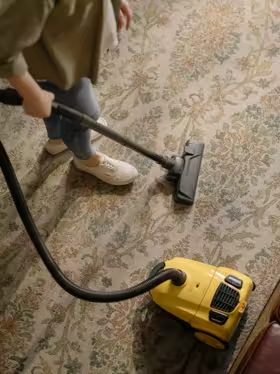
- Carpets spot-checked and vacuumed in main traffic routes
Weekly
- All carpeted areas fully vacuumed including under desks where accessible
- Hard floors machine-scrubbed or buffed where specified
- Skirting boards wiped throughout
- Internal glass and partitions cleaned
- Desk legs, chair bases and castors wiped
- Kitchen cupboard fronts and appliance exteriors cleaned
- Washroom tiles and partitions fully wiped
- Waste and recycling areas swept and tidied
- Stairwells and fire escapes swept, handrails wiped
Monthly
- High-level dusting: ceiling vents, light fittings, tops of cupboards and partitions
- Window sills, frames and internal window glass
- Radiators and heater grilles cleaned
- Upholstered chairs vacuumed
- Kitchen cupboard interiors wiped
- Fridge interior cleaned and out-of-date items removed per site policy
- Descale kettles, taps and shower facilities where present
- Bin stores washed down
Periodic: quarterly or as specified
- Carpet deep clean or hot-water extraction
- Hard floor strip and reseal where specified
- External window cleaning at agreed frequency and access method
- Upholstery deep clean
- Kitchen deep clean including behind and under appliances
- Washroom deep clean including grout and sealant
- Light diffusers removed and cleaned, where safe access allows
Every visit: compliance and site
These are what an audit checks and what a tender asks you to evidence.
- Wet floor signage deployed while floors are wet and removed after
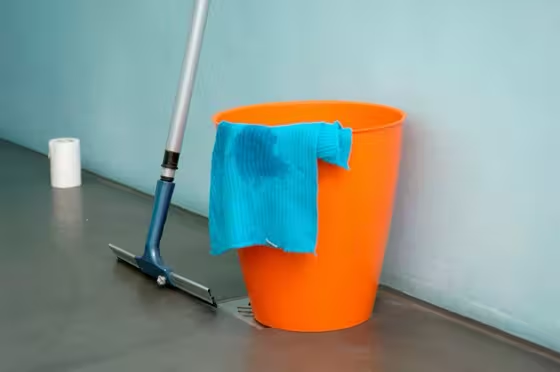
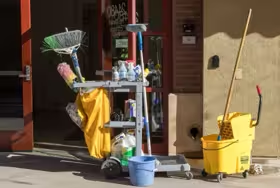
- Colour-coded cloths and mops used correctly per area
- Chemicals stored locked and labelled; COSHH sheets on site
- Cleaning cupboard left clean, tidy and locked
- Equipment checked for damage; faults reported
- Site log or digital record signed off
- Lights off, doors locked, alarm set as per site instruction
- Any defect, hazard or security concern reported to the supervisor