CleanFlo cleanflo.io/templates/end-of-tenancy-cleaning-checklist
End of Tenancy Cleaning Checklist
Work top to bottom, dry before wet, floors last. Photograph anything already damaged before you start.
Property address
Date
Cleaner(s)
Tenancy end date
Checked by
Before you start
Five minutes here prevents most disputes later.
- Photograph every room as found, including inside the oven and fridge
- Photograph any existing damage, stains or marks and note the location
- Check the property is fully empty: no items in lofts, sheds, cupboards or under stairs
- Confirm utilities are on: no hot water or electricity makes a full clean impossible
- Take meter readings if asked to
- Note anything outside the agreed scope in writing before starting
Kitchen
The oven and the seals are where deposits are actually lost.
- Oven: interior, base, roof and back panel degreased to bare metal
- Oven door glass cleaned between the panes where it separates
- Oven shelves, runners and grill pan degreased
- Hob, burners, caps and pan supports; splashback degreased
- Extractor hood cleaned and filter degreased or replaced
- Fridge and freezer: defrosted, emptied, shelves and drawers washed, seals cleaned
- Fridge left switched off with the door propped if the property is empty
- Washing machine: drum, rubber door seal, and the detergent drawer removed and descaled
- Dishwasher: filter removed and cleaned, spray arms, door seal
- Microwave: interior, roof, turntable and door seal
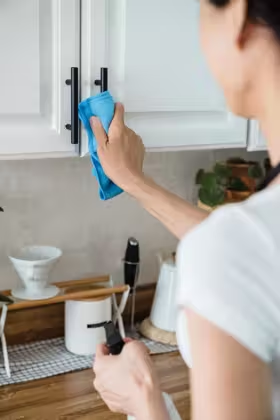
- All cupboards and drawers emptied, wiped inside, fronts and handles cleaned
- Worktops cleaned and sealed edges wiped; behind and under free-standing units
- Sink, drainer and taps descaled; plughole and overflow cleaned
- Tiles and grout degreased; sealant cleaned of any mould
- Bin cleaned inside and out
- Skirting, radiator, light switches and sockets wiped
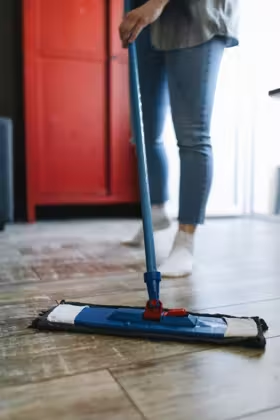
- Floor swept and washed, including under and behind appliances where they can be moved safely
Bathrooms and en-suites
- Limescale removed from taps, shower head, screen and tiles
- Shower screen cleaned including the runners and the seal
- Bath, basin and shower tray cleaned; overflow and plughole cleared
- Toilet: bowl including under the rim, seat both sides, hinges, cistern and base of the pedestal
- Grout and sealant cleaned; any mould treated
- Mirror and any glass shelving polished streak-free
- Extractor fan cover cleaned and the vent cleared of dust
- Cabinets and drawers emptied and wiped inside and out
- Towel rail, radiator and pipework wiped
- Skirting, light pull, switches and door wiped
- Floor washed including behind the toilet pedestal
Bedrooms and living areas
- Cobwebs removed from ceilings, corners and light fittings
- Light fittings and shades dusted; bulbs present and working
- Doors, frames and handles wiped, including the tops of doors
- Skirting boards, picture rails and dado rails wiped
- Switches, sockets and thermostats wiped
- Windows cleaned inside; frames, sills and runners wiped
- Window and door tracks vacuumed out
- Curtain poles and blinds dusted; blinds wiped slat by slat
- Radiators cleaned including the back and behind where reachable
- Wardrobes and drawers emptied, wiped inside, mirrors polished
- Marks removed from walls where they will come off without damaging paint
- Carpets vacuumed including edges and under any remaining furniture
- Hard floors swept and washed
Hallway, stairs and communal
- Front door cleaned both sides; letterbox, handle and any glass
- Stair carpet vacuumed including risers and the edges
- Bannister, spindles and handrail wiped
- Meter cupboard cleared of anything left behind and wiped
- Under-stair cupboard emptied and swept
- Any communal area within scope left clear
Finishing and handover
- All bins emptied and removed from the property
- Any cleaning waste taken away, not left in the outside bin unless agreed
- Windows closed and locked; doors secured
- Heating set as instructed by the agent or landlord
- Keys accounted for and returned as agreed
- Photograph every room as left, matching the before shots
- Note any item that could not be completed and why